





How Photography Learned to Speak the Language of Poetry – Part 1
Photography is both technology, creativity, and business, yet it does not fully belong to any one of these fields. Rather, it is fundamentally connected to the realms of literature and language.
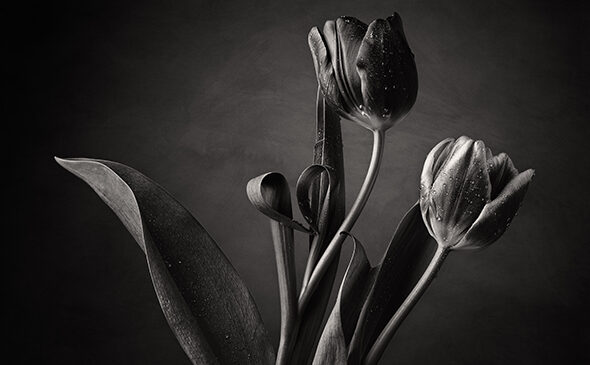
A photograph is the result of three main components: subject, form and content. The traditional debate of whether photography qualifies as art has shifted towards questioning if photography can be considered a poetic language – a question that Surrealists, early twentieth-century avant-garde artists, and modern views on both photography and literature have unequivocally affirmed. In this sense, a photographer may follow the path of a poet, making “writing with light” a profound mode of expression that transcends or even functions independently of the written word.
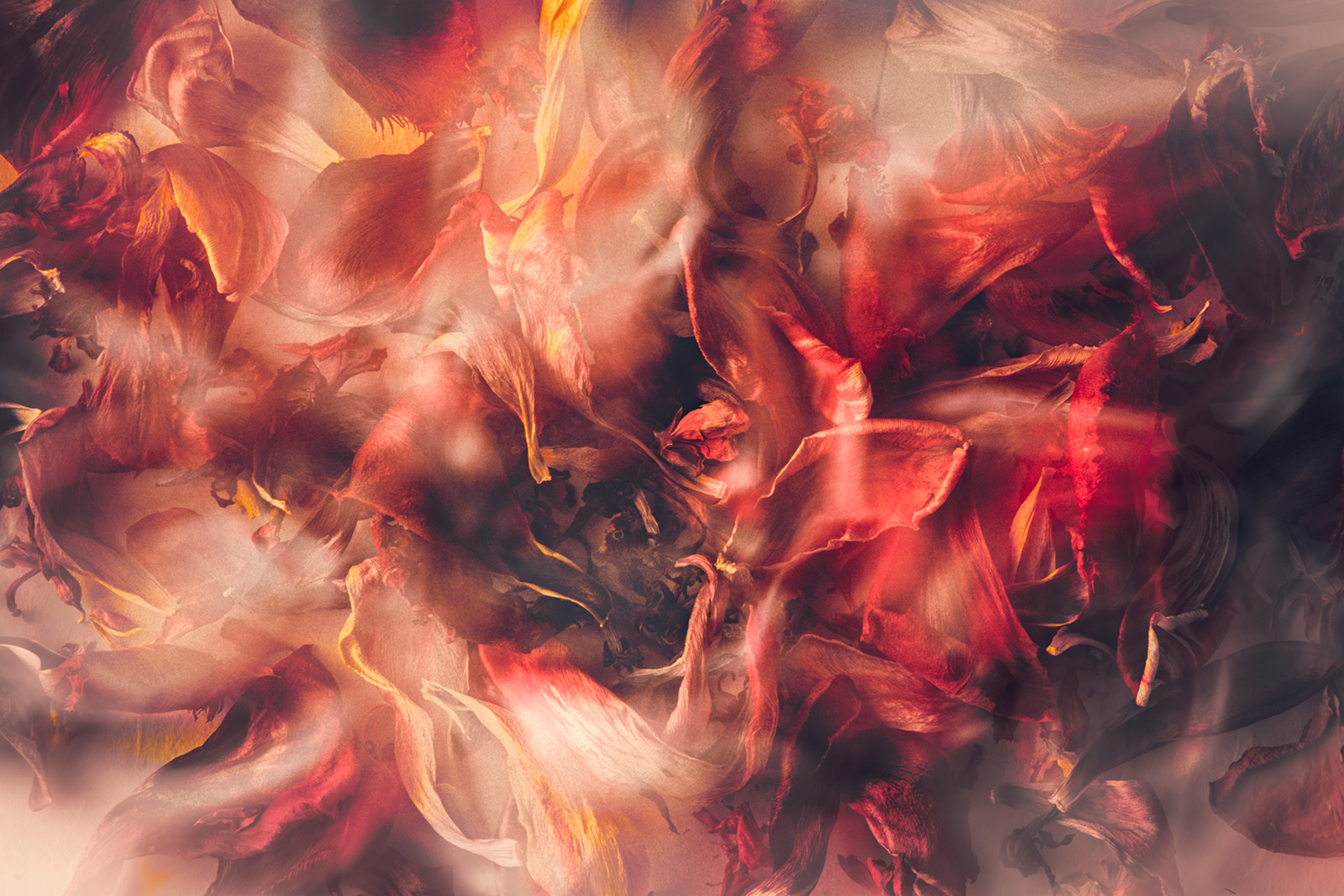
Both poets and photographers use the same vocabulary, but what makes the difference is that they arrange the words in different ways by reducing, simplifying and deepening, thus saying more with less. Arranging the contents of a photograph is like composing a poem; a good poet doesn’t add random words to verses or unnecessary verses to strophes.
Photography operates with the same principle of distilling the concepts as poetry by forcing us to think, and it does so because it forces us first to see. Literally, the one who thinks is also the one who sees: one does so because of the presence of a light. Thought can itself be defined as a mirror that reflects the light through which we perceive the visible world. The metaphor is a way of thought before it is a way with words. As poet Octavio Paz famously said: “I do not see with my eyes: the words are my eyes” (Paz, 1990, p.437). “Photography seems like a bright comet that spreads a powerful light through the universe in the midst of darkness” (Valéry, excerpt from a speech given at the Sorbonne to members of the French Academy, 1939).
Light, the origin of all images, has long been explored by mystics, philosophers, and scientists alike. For centuries, light has served as a symbol for thought itself. Literally translated, the Greek terms “photos” and “graphos” combine to mean “drawing with light.” Although precise details about the origins of photography remain unclear, the earliest printed photographs appeared between 1816 and 1840, building upon discoveries from the previous century that certain chemicals darken when exposed to light. The foundational design of modern cameras dates back to the 1500s, with the Chinese having understood similar concepts as early as the fourth century. Consequently, photography’s age spans roughly from 150 to 1,500 years (O’Brien and Sibley, 1995, p.11). Initially, photography focused primarily on portraiture and natural scenes, sharing many stylistic traits with classical painting.
However, the rapid transformations of the twentieth century profoundly altered photographers’ mindset and artistic vision. Technically, photography is undoubtedly tied to the modern era ushered in by capitalism and industrialization. Yet, its evolution occurred at the twilight of an era led by painting and sculpture, meaning that artistically, photography remains connected to past traditions. As Taminiaux (2009, p.9) explains, “Photography arrives both too late and too early: too late because it follows an extensive history of art and pictorial tradition that risks misrepresenting or oversimplifying its nature; yet too early as it foretells the twentieth century’s cultural shift in imagery—from film to television to virtual reality. Thus, photography embodies both an end and a beginning in the history of representation.”
Sorbonne Speech for the French Academy, 1939Photography seems like a bright comet that spreads a powerful light through the universe in the midst of darkness
Paul Valery – Poet
Nowadays, photography has become an integral part of everyday life. Its widespread popularity is both an advantage and a drawback. The accessibility of photographic technology allows virtually anyone not only to view but also to capture images, making it a common tool for mass expression. This stands in stark contrast to poetry, which lacks such a democratic nature; the misconception that anyone can easily create poetry is clearly untrue. Similarly, true artistic photography remains a rare phenomenon. These opposing facets of photography continue to exist side by side today.
A photograph serves as a depiction of reality, yet depending on the photographer’s individual perspective, the subject captured often differs from the artistic creation produced. Often, a photographer’s fascination with a particular theme motivates their work, as photography serves as a means to communicate specific ideas or emotions. As Belt (2008, p.5) states, “Meaning in an image arises from the interplay between subject, form, and content.” The act of taking a photograph involves engaging with a pre-existing object, which can lead to a mere replication and thus is often regarded as copying.
Conversely, the creative process of making a photograph highlights the photographer’s freedom in interpreting the subject, elevating photography to an authentic art form. The recognition of photography as an art medium gained momentum in the early twentieth century, influenced by avant-garde movements such as Surrealism and Dadaism. These movements introduced imagery that reflected the workings of the unconscious mind, drawing on Sigmund Freud’s psychoanalytical theories. Subsequently, experimental and conceptual approaches by numerous contemporary artists further solidified photography’s artistic status.