










Price range: $400.00 through $950.00
Belem Tower.
Printed on Giclée Hahnemühle Bamboo
Click on the loupe icon to magnify the image.
About this print
- Available in the following sizes: A1, A2, and A3.
- This open edition fine art photograph is printed on acid-free, Hahnemuhle Bamboo paper with a light textured finish and a life of over 100 years using ultra-wide gamut archival inks in collaboration with a carbon neutral professional printer.
- Using sustainable production technologies, this paper meets the highest standards for fine art applications and is perfect for art collections and exhibitions.
- Special fine art mounting and handmade fine art wood frames are available.
- Your art is produced and shipped from three locations: UK, US and Germany.
- This artwork is an original piece, derived from my own observation, imagination, experience and creativity.
- All artworks are copyrighted.
Description
Belem Tower in Lisbon stands as an example of Manueline architecture, a style that emerged during Portugal’s Age of Discoveries in the early 16th century. Built between 1514 and 1520, the tower served both as a fortress to protect the entrance to the Tagus River and as a ceremonial gateway to Lisbon. Its design integrates maritime motifs, such as ropes, armillary spheres, and crosses of the Order of Christ, which symbolize Portugal’s seafaring heritage and imperial aspirations.
The tower’s compact footprint is balanced by a multi-tiered structure featuring robust limestone walls, a bastion with cannons, and delicate sculptural details that invite closer examination. Unlike many fortifications, the artistic elements are not merely decorative; they act as visual statements of power and national identity. Belem Tower offers a direct insight into how functional military architecture can simultaneously serve as a canvas for political symbolism and cultural pride. Observing its proportions and ornamentation reveals how the architects and artisans of the time negotiated utility and aesthetics, producing a landmark that remains integral to Lisbon’s urban and historical landscape.
Additional information
| Frame | Print only, White, Black, Oak |
|---|---|
| Size | 29cm x 41cm, 11.3inches x 16.0inches, 30cm x 42cm, 11.7inches x 16.5inches, 39cm x 56cm, 15.3inches x 22.0inches, 42cm x 59cm, 16.5inches x 23.4inches, 52cm x 76cm, 20.7inches x 30.0inches, 59cm x 84cm, 23.4inches x 33.1inches |
You must be logged in to post a review.
Related products
-
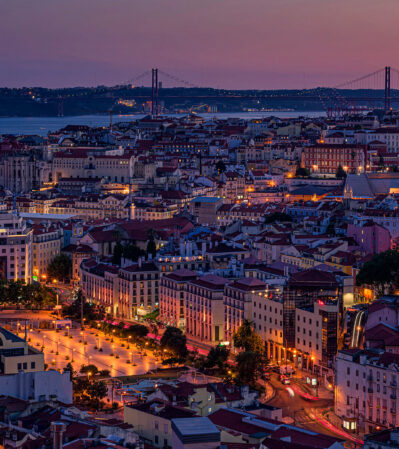 Price range: $400.00 through $950.00
Lisbon at Sunset.
-
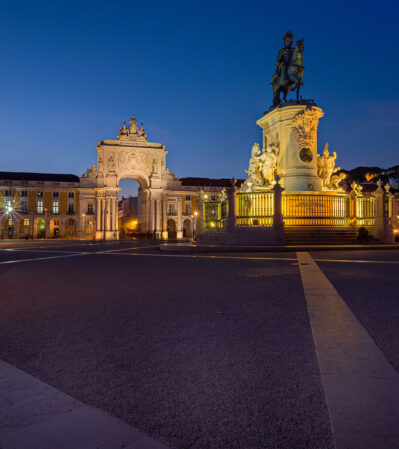 Price range: $400.00 through $950.00
Praca do Comercio – Lisbon.
-
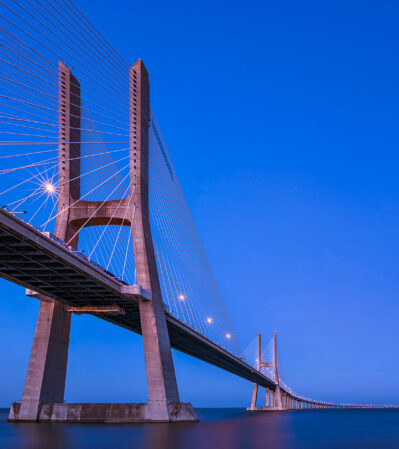 Price range: $400.00 through $700.00
Vasco da Gama Bridge at Dusk.
Reviews
There are no reviews yet.